
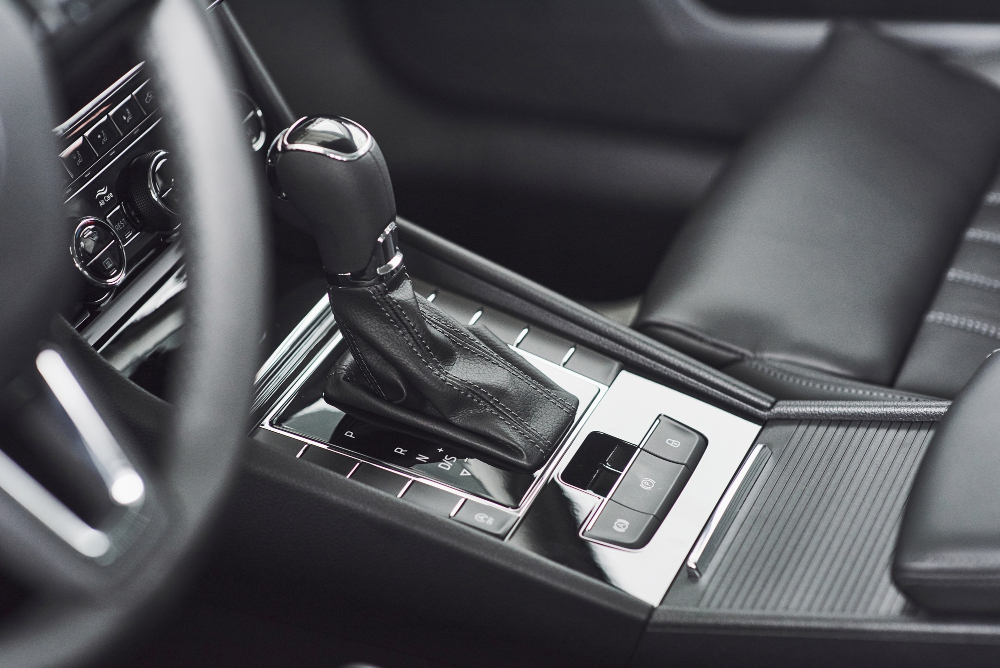
At Deluxe CarShop, we always have the vehicle that best suits your needs and everyday use. To make an informed decision, it is essential to understand the differences you will encounter between vehicles with different types of transmission.
Automatic, sequential and manual transmissions are three types of systems that determine a vehicle’s performance and driving experience. Each has specific characteristics that influence how it operates and the level of comfort it offers the driver. Understanding the differences in their design and operation is essential in order to choose the most suitable option according to personal needs and preferences. This article explores these distinctions, as well as the advantages and disadvantages of each system.
Fundamental Differences Between Gearboxes
The variety of transmission systems in vehicles plays a crucial role in both performance and driving experience. Below is an analysis of the main characteristics of each type of gearbox.
Structure and Operation of the Manual Gearbox
The manual gearbox is a system that requires the driver to change gears actively, using both the gear lever and the clutch. This transmission allows a high level of interaction between the driver and the vehicle, offering full control over power delivery.
Role of the Clutch and Gear Lever
The clutch is an essential component of the manual gearbox, as it disconnects the engine from the transmission during gear changes. The gear lever is used to select the desired gear ratio, allowing the driver to adjust the vehicle’s power and speed as required.
Relationship Between Engine and Manual Gearbox
In this type of transmission, the engine is directly connected to the gearbox, allowing for an immediate response when the driver changes gear. This direct connection provides a sense of control and engagement that many drivers appreciate.
Mechanics of the Automatic Gearbox
Automatic gearboxes, by contrast, use a system that manages gear changes without driver intervention. This type of transmission relies on a set of gears and a torque converter, thereby optimising the driving experience.
Torque Converter and Its Impact on Driving
The torque converter is responsible for transferring power from the engine to the transmission, increasing efficiency and smoothness during gear changes. This makes driving easier in traffic situations, as it eliminates the need for manual gear changes.
Electronic Systems and Controls in Automatic Gearboxes
Modern automatic transmissions incorporate advanced technology, such as electronic systems that control gear changes. These systems allow dynamic adjustments based on speed and engine load, providing a more adaptive driving experience.
Characteristics of the Sequential Gearbox
The sequential transmission is an intermediate type between manual and automatic systems. It allows quick and direct gear changes via a lever operated in a sequential manner.
How Gear Changes Are Performed in a Sequential Transmission
The driver can shift gears up or down with a simple movement, facilitating a more sporty and efficient driving experience.
Differences Compared with Manual and Automatic Gearboxes
Unlike manual gearboxes, sequential systems eliminate the possibility of selecting the wrong gear. Compared with automatics, they offer greater control in high-demand situations, such as motorsport competitions.

Advantages and Disadvantages of Each Type of Transmission
The choice of transmission system can significantly influence the driving experience. Below are the main advantages and disadvantages of manual, automatic and sequential transmissions.
Benefits of the Manual Gearbox
Precise Control and Connection with the Vehicle
Manual transmissions offer a level of control that many drivers value highly. They allow each gear to be selected deliberately, optimising engine response. This is particularly relevant in demanding driving conditions, where more dynamic and adaptive handling is required.
Lower Maintenance and Repair Costs
From an economic perspective, vehicles equipped with manual gearboxes tend to have lower purchase and maintenance costs. Their mechanical design is less complex, which reduces expenses related to potential repairs.
Strengths of the Automatic Gearbox
Ease of Driving in Urban Traffic
In urban environments, automatic transmissions stand out for their convenience. The system manages gear changes efficiently, allowing the driver to focus on driving without distraction. This is especially useful in traffic jams, where frequent stopping and starting occur.
Reduced Stress and Driver Fatigue
Automated gear changes contribute to a more relaxed driving experience. By eliminating the need to operate the clutch and gear lever, fatigue during long journeys is reduced, helping the driver maintain concentration on the road.
Key Features of the Sequential Gearbox
Fast and Efficient Gear Changes
Sequential transmissions allow gear changes to be made quickly and easily. This system offers smooth transitions between gears, which is beneficial in situations requiring immediate response, such as sporty driving or track use.
Reduced Margin for Error in Gear Changes
One of the main advantages of sequential gearboxes is that they reduce the risk of incorrect gear selection. Unlike traditional manual systems, their design limits the possibility of shifting incorrectly, thereby increasing driving safety.
Fuel Consumption and Efficiency by Transmission Type
Fuel consumption and efficiency are closely linked to the type of transmission fitted to a vehicle. Each system has characteristics that affect both fuel economy and on-road performance.
Impact of Manual Gearbox Use on Fuel Consumption
Manual transmissions are often preferred by those seeking to optimise fuel consumption. This is because they allow greater control over acceleration and the timing of gear changes. An experienced driver can, under certain conditions, achieve significant savings by keeping the engine within an optimal rev range. However, efficiency may be affected in urban environments, where frequent gear changes and congestion increase fuel use.
Technological Improvements in Automatic Transmissions to Optimise Consumption
Automatic gearboxes have advanced considerably in recent years. The introduction of more sophisticated systems, such as electronic gear management, has contributed to reduced fuel consumption. Modern automatics can interpret driver demands and adjust gear changes efficiently. Torque converters have also evolved to provide better connection between engine and transmission, reducing energy losses and improving fuel efficiency. As a result, many modern automatic models now achieve fuel consumption figures similar to, or even lower than, those of manual transmissions.
Consumption in Vehicles with Sequential Gearboxes During Sporty Driving
Vehicles equipped with sequential transmissions, primarily designed for optimised performance, behave differently in terms of consumption. In sporty driving situations, where rapid gear changes are required, these systems keep the engine within an operating range that maximises power. However, the pursuit of performance can result in higher fuel consumption compared with more economy-focused transmissions. This is particularly noticeable during exclusive track use, where maximum performance is demanded. Under normal driving conditions, consumption may vary, but tends to be more efficient during less demanding manoeuvres.
Driving Experience and Road Safety
The driving experience is strongly influenced by the type of transmission. Each system offers different sensations that affect not only comfort but also road safety.
Sensations and Control When Driving with a Manual Gearbox
With a manual transmission, the driver takes full control of gear changes, allowing a more direct connection with the vehicle. This provides a greater sense of control, which can be rewarding for those who enjoy active driving. It also allows power delivery to be adapted to road conditions. Gear changes are mechanical, enabling the driver to adjust performance according to their driving style.
Comfort and Safety When Driving with an Automatic Gearbox
By contrast, automatic transmissions offer a high level of comfort, particularly in urban environments with heavy traffic. Manual gear changes are unnecessary, reducing fatigue and allowing the driver to focus more on the road and safety. These gearboxes typically feature systems that adapt gear changes efficiently, providing smoother and more comfortable driving. The driving experience becomes less demanding, increasing the driver’s awareness of other aspects of the road.
Use of Engine Braking and Speed Control in Sequential Gearboxes
Sequential transmissions combine elements of both systems, allowing fast and precise gear changes. This option is especially advantageous in situations requiring precise speed control, such as steep descents. Engine braking becomes a valuable tool for managing speed without relying solely on the brakes. This not only improves safety but also reduces brake wear, which is crucial on long or heavily loaded journeys.
Throttle-Controlled Manoeuvres and Their Impact on Safety
With sequential gearboxes, the ability to perform throttle-controlled manoeuvres provides greater control in critical situations. This technique increases vehicle stability and enables rapid response to unexpected changes in traffic. A driver accustomed to this style can react more quickly, which is essential in adverse conditions. As a result, the driving experience is enhanced by a more dynamic and safer form of control.
Costs and Maintenance of Gearboxes
Costs and maintenance requirements are crucial factors when purchasing a vehicle. Each type of transmission has specific characteristics that affect upkeep and repair over time.

Routine Maintenance of Manual Gearboxes
Manual gearboxes require less frequent maintenance than their automatic counterparts. Typically, transmission oil changes are carried out every 60,000 to 100,000 kilometres, depending on vehicle use. It is essential to check the condition of the clutch and gear lever, as proper operation extends the gearbox’s lifespan. Cleaning internal components may also be necessary in older vehicles.
Repair and Service Costs for Automatic Transmissions
Automatic transmissions are mechanically more complex, which can make maintenance more expensive. Repairs generally range from €300 to €1,500, depending on the severity of the damage. Services at authorised workshops often include electronic diagnostics, which are essential for identifying operational issues. Investing in preventive maintenance can be more cost-effective in the long term, helping to avoid costly repairs.
Specific Features and Costs of Maintaining Sequential Gearboxes
Sequential transmissions are sophisticated systems that require a different maintenance approach. Costs for oil changes and component inspections may be higher, as specialised elements are used to ensure efficiency. Depending on the model, expenses between €500 and €2,000 may be considered reasonable for major repairs, particularly in sports vehicles.
Warranty and After-Sales Service for Vehicles with Automatic and Sequential Gearboxes
Vehicles equipped with automatic and sequential gearboxes often come with longer warranty periods than manual ones, due to their technical complexity. Good after-sales service is a key factor, as it provides access to specialised technical support, spare parts and maintenance advice. It is advisable to check warranty conditions carefully when purchasing a used vehicle.
Worried about gearbox repair bills? At Deluxe CarShop, every car comes with a minimum 12-month cover and the option to extend it — check our used car warranty before you choose.
Applications by Vehicle Type and Typical Use
The choice of transmission has a direct impact on vehicle performance and driver comfort. Each type of gearbox suits different driving styles and usage environments.
Manual Transmission Cars and Their Popularity in Spain
Manual transmissions have traditionally been popular in the Spanish market due to their simplicity and control. This type of gearbox allows drivers to select the appropriate gear according to their preferences and road conditions. In rural areas and on secondary roads, manual cars often provide a more dynamic and direct driving experience.
- Lower cost compared with automatic transmissions.
- Greater connection with the vehicle and control over performance.
- Preferred by driving enthusiasts who value active involvement.
Advantages of Automatic Cars in Urban Traffic and on Motorways
Automatic vehicles have become the preferred choice for driving in urban environments. Their ease of use, especially in traffic jams, minimises driver fatigue. Automatic cars are ideal for those seeking comfort and reduced stress behind the wheel.
- Smooth and uninterrupted gear changes.
- Ideal for dense traffic with frequent stopping and starting.
- Reduced likelihood of driving errors.
Vehicles with Sequential Gearboxes in Sporty Driving and Competition
Sequential transmissions are primarily designed to maximise performance in high-demand situations. They are commonly used in sports and competition vehicles, where every millisecond counts and rapid gear changes offer a competitive advantage.
- Instant gear changes that improve acceleration.
- Reduced risk of incorrect gear selection.
- Particularly advantageous on race circuits where precise control is crucial.
Adaptation in New Vehicles and Emerging Technologies
With technological advances, car manufacturers are implementing innovations in gearboxes to improve efficiency and usability. Automatic and sequential transmissions are adopting more sophisticated systems that optimise fuel efficiency and driving experience.
- Integration of electronic systems to optimise gear changes.
- Manual shift options in automatic transmissions for a hybrid driving experience.
- Electrification influencing transmission design, particularly in hybrid and electric vehicles.
Technology and Evolution in Gearboxes
The technology behind gearboxes has evolved significantly in recent years, improving performance, efficiency and the overall driving experience in modern vehicles.
New Generations of Automatic Gearboxes and Continuously Variable Transmissions
Automatic gearboxes have progressed towards new generations incorporating more sophisticated systems. Among these innovations is the continuously variable transmission (CVT), which allows smooth transitions between gear ratios without perceptible gear changes. This results in improved fuel efficiency. Manufacturers are optimising these automatic systems to balance performance and economy, adapting them to different driving styles.

Innovations in Manual Transmissions and Shift Assistance
Manual transmissions have not been left behind in terms of innovation. Assistance technologies are being introduced to facilitate gear changes, such as automatic clutch control systems. These improvements allow drivers to maximise their connection with the vehicle while reducing the likelihood of shifting errors. The introduction of sensors and electronics in manual gearboxes is redefining their role in the market.
Development of Sequential and Dual-Clutch Gearboxes for Greater Precision
Sequential gearboxes, highly popular in motorsport, have seen further development through the implementation of dual-clutch systems. This technology enables faster and more precise gear changes, optimising the driving experience in high-demand situations. Dual-clutch systems minimise power loss during shifts, making them an attractive option for motoring enthusiasts.
Integration with Low-Emission Systems and Current Regulations
The evolution of gearboxes is also aligned with low-emission regulations. Transmissions are being designed to optimise power delivery and reduce fuel consumption, meeting increasingly stringent environmental standards. This integration ensures vehicles are not only more efficient but also more environmentally friendly, contributing to a more sustainable future for the automotive industry.
Practical Considerations When Choosing a Gearbox for a Used Car
When purchasing a used car, the choice of gearbox is a key factor influencing performance, economy and driving experience. Carefully examining the available options helps ensure an informed decision.
If you’re choosing between automatic, manual or sequential for a used car, don’t gamble on condition. Browse our fully inspected vehicles with verified history and drive away with confidence — view car stock.
Price Comparison Between Manual, Automatic and Sequential Cars
Vehicle prices vary significantly depending on the type of transmission. Manual cars are generally more affordable at the initial purchase stage, making them attractive for those seeking immediate savings. Automatic models tend to be more expensive due to system complexity, affecting both purchase price and maintenance costs. Sequential transmissions, although less common on the second-hand market, usually involve even higher acquisition and maintenance costs, particularly in high-performance vehicles.
Importance of Maintenance and Potential Future Costs
Proper gearbox maintenance is essential to ensure vehicle durability and optimal performance. Manual gearboxes require less maintenance and are simpler to repair than automatic and sequential systems. Automatic transmissions, due to their sophistication, can incur higher repair costs if issues arise. Sequential gearboxes typically involve the highest maintenance costs, as their complexity can lead to more frequent and expensive repairs.
Safety and Ease of Use According to Driver Profile
The choice of gearbox should reflect the driver’s skills and preferences. Manual transmissions offer greater control, which can benefit experienced drivers who prefer a direct connection with the vehicle. Automatic transmissions, by contrast, provide comfort and ease of use, particularly in urban traffic, reducing the stress associated with frequent gear changes. Sequential gearboxes, while advantageous in terms of performance, may be less intuitive and better suited to drivers with experience in sporty driving.
Considerations for Driving in Low-Emission Zones in Spain
Emission regulations in Spain are becoming increasingly strict, influencing transmission choice. Recent automatic vehicles often incorporate technologies that improve fuel efficiency, making them advantageous in areas with emission restrictions. Manual gearboxes can also be suitable, provided the models comply with current standards. As many sequential gearbox vehicles are designed for high performance, it is essential to consider their emissions impact before making a decision.
Quick Decision Checklist: Manual vs Automatic vs Sequential
To turn the article into a practical decision, here’s a quick checklist that maps your driving habits, priorities, efficiency and costs to everything discussed above. Tick the boxes to see whether manual, automatic, or sequential suits you best. Once you’ve got your profile, Deluxe CarShop will show you inspected options and transparent financing—no obligation.
Quick Decision Checklist: Manual vs Automatic vs Sequential
Turn the article into a practical decision: tick what fits you best. Your majority will point to manual, automatic or sequential based on what’s covered above.
1) Your typical use
- City / stop-and-go traffic
- Frequent highway driving
- Mountain roads / long descents (engine braking)
- Sporty, highly responsive driving
2) Your priorities
- Comfort and low fatigue (smooth shifts)
- Full control and driver engagement
- Very fast shifts with minimal error
- Lower purchase price / monthly fit
- Predictable, contained maintenance
- Fuel efficiency matters
- Strong warranty/after-sales & electronic aids
3) Cost & maintenance
- Simpler mechanics, cheaper repairs (manual)
- OK with higher complexity & electronic diagnostics (automatic)
- Willing to accept higher upkeep for performance (sequential)
4) Fuel & efficiency
- I can drive efficiently to save fuel (manual)
- I prefer the car to optimise shifts (automatic)
- Performance first; may use more fuel in sport (sequential)
5) Safety & comfort
- Less stress in heavy traffic (automatic)
- Direct feel and engine braking (manual)
- Precise speed control and instant downshifts (sequential)
Quick outcome
- Mostly Manual → control, lower running costs, direct feel.
- Mostly Automatic → city comfort, smart fuel management.
- Mostly Sequential → performance, instant shifts, precision.
Next step: Deluxe CarShop can shortlist fully-checked cars and transparent financing tailored to your driving (city, highway, or mountain). No-obligation guidance.