

Mileage is a key factor when considering the purchase of a used car. Fewer kilometres typically indicate less wear, but this is not the only factor to evaluate. The age of the vehicle and its maintenance history are also important. Understanding how these elements are interrelated can facilitate an informed decision when acquiring a used car.
Importance of Mileage in Used Cars
Mileage is one of the most relevant aspects to consider when purchasing a second-hand vehicle. It directly affects the vehicle’s durability and performance, influencing the buying decision.
How Mileage Affects Vehicle Wear
A car’s wear is closely linked to the number of kilometres it has travelled. Vehicles that have covered greater distances usually exhibit more wear in major components, including the engine, transmission, and brakes. As mileage increases, so too does the likelihood of breakdowns and the need for repairs. Therefore, it is essential to assess the vehicle’s condition based on the wear accumulated over each kilometre travelled.
Mileage vs Age: Which Is More Relevant?
When considering mileage, the vehicle’s age cannot be ignored. The age of a car can influence its performance and reliability. For instance, a ten-year-old car with relatively low mileage might be in worse condition than a five-year-old car that has travelled further. This is because older cars may suffer from time-related issues such as corrosion or component deterioration. Thus, both mileage and age must be considered together to gain a complete picture of the vehicle’s condition.
Optimal Mileage for a Good Purchase
Experts agree that a car with mileage ranging between 50,000 and 100,000 kilometres is often a wise choice. This range suggests moderate usage, where many essential components are likely to remain in good working condition.
- Cars with low mileage (15,000 – 50,000 km): Generally in excellent condition, though issues may arise if the car has seen little use.
- Cars with moderate mileage (50,000 – 100,000 km): A good balance between usage and wear, ideal for most drivers.
- Cars with high mileage (100,000 – 150,000 km): Can be reliable, but require careful inspection to avoid surprises.
- Cars with very high mileage (over 150,000 km): Higher risk of faults, suggesting the need for a thorough inspection and a reliable maintenance history.
A precise analysis of mileage alongside other factors will give the buyer greater clarity in making the best decision when purchasing a second-hand car.
At Deluxe CarShop, we understand that mileage is crucial. That is why all our used vehicles come with certified mileage and warranty, offering you peace of mind in your purchase. Discover the transparency and confidence we provide by visiting our website!
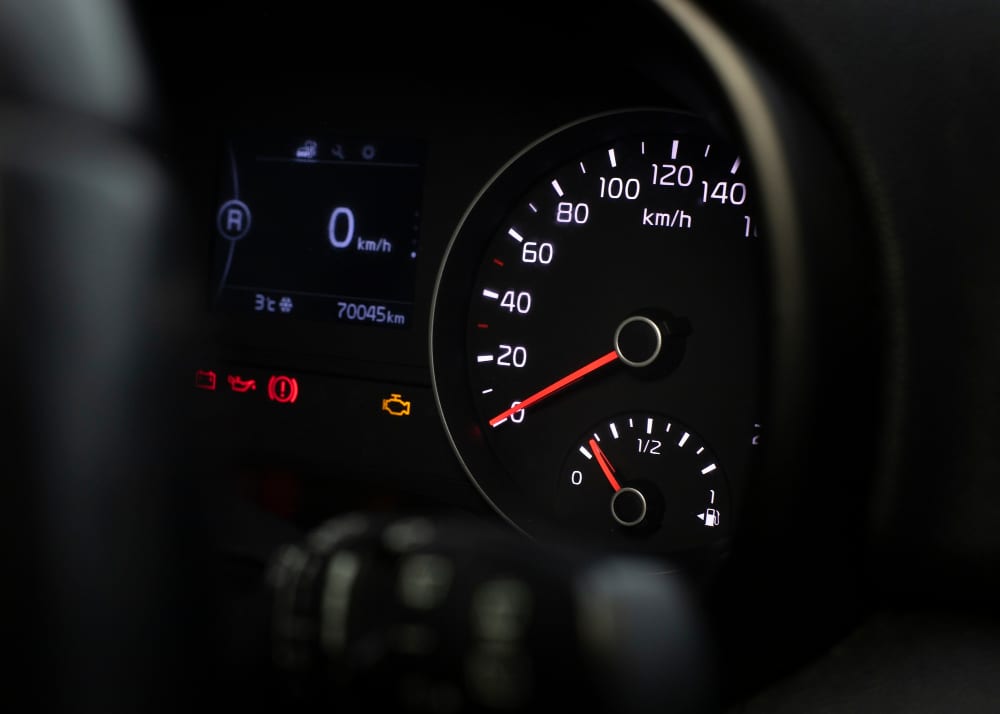
Recommended Mileage Ranges
Mileage is a key indicator of a used car’s condition and durability. Below are the different mileage brackets and what each implies in terms of quality and maintenance.
Cars with Low Mileage
Vehicles with between 15,000 and 50,000 kilometres are considered to have low mileage. This range is ideal for buyers seeking a car in near-new condition. However, it is vital to inspect the car’s usage history, as lack of use may result in mechanical issues due to inactivity.
Cars with Moderate Mileage
Cars with between 50,000 and 100,000 kilometres fall into the moderate mileage category. These vehicles are usually well maintained and have seen regular use. A car in this range typically shows reasonable wear and can offer a good balance between price and quality.
Cars with High Mileage
Those choosing vehicles with between 100,000 and 150,000 kilometres should assess certain aspects more carefully. While they may still be functional, they are likely to require more frequent maintenance. It is essential to check the condition of key components to avoid unexpected issues.
Cars with Very High Mileage
Cars that exceed 150,000 kilometres are considered to have very high mileage. Although some may still function well, wear and tear can be significant. The chances of needing major repairs are higher, so a thorough review of the history and current condition is essential for anyone considering such a vehicle.
Additional Factors to Consider
Several key aspects play a crucial role in the purchase of a used car. These factors can significantly influence the vehicle’s condition and reliability and must be carefully assessed.
Vehicle Maintenance History
Regular maintenance is essential to ensure a car’s longevity. A documented service history indicates the vehicle has been properly cared for. Key aspects include oil changes, brake repairs, and scheduled servicing. Requesting the service records is important, as this provides a clear idea of the vehicle’s overall state.
Driving Styles and Their Impact
How a car has been driven also affects its durability. Vehicles primarily used for short journeys and frequent stops, such as in urban environments, tend to experience more wear. Conversely, cars driven mainly on motorways usually suffer less wear, potentially resulting in better overall engine and component condition.
Climate Conditions and Their Effect on the Vehicle
The weather conditions to which a car has been exposed are also significant. Vehicles exposed to extreme heat or cold often suffer wear in systems such as the battery, paintwork, and other exterior components. A car kept in temperate climates is generally in better overall condition.
Number of Previous Owners
The number of previous owners can be an indicator of a vehicle’s condition. A car that has changed hands multiple times may raise concerns about its reliability and care, whereas a single-owner vehicle usually suggests more consistent upkeep. Knowing how many people have owned the car can shed light on its history and help make a more informed decision.
At Deluxe CarShop, each vehicle undergoes a thorough inspection, and we provide full history reports so you can make a safe, informed choice. Find your ideal car with confidence at deluxecarshop.com!

Strategies for Buying a Second-Hand Car
When searching for a used car, it is essential to take a strategic approach to maximise the chances of a successful purchase.
Research and Comparison of Used Car Prices
Thorough research is vital before making any decision. It is advisable to consult various online platforms and classifieds to gain a clear understanding of the market. When comparing prices, factors such as brand, model, age, and mileage should be considered. This not only helps determine the price range but also allows identification of potential deals and avoidance of overpricing. Market knowledge makes negotiations and decision-making easier.
Test Drives and Pre-Purchase Inspections
A test drive is crucial for any prospective buyer. During the drive, pay attention to the vehicle’s responsiveness and any unusual noises that might indicate mechanical issues. It is also recommended to take the car to a trusted mechanic for a comprehensive inspection. This check-up can reveal hidden problems not visible to the naked eye, ensuring a safe and surprise-free purchase. Essential systems like brakes, suspension, and steering should be closely examined.
Using Vehicle Reports to Support Decision-Making
Vehicle history reports can be extremely helpful. These provide valuable information such as previous accidents, maintenance history, and changes of ownership. This documentation enables buyers to assess the car’s overall condition more accurately and avoid vehicles with problematic backgrounds that could lead to significant future expenses.
Negotiating Based on Gathered Information
With all the collected data, it’s time to negotiate. Use the information about the vehicle’s condition, history, and market price as the basis for discussions. If any negative aspects are discovered during inspections or test drives, these can support your request for a price reduction. Negotiation is not limited to the final price, but may also include terms and potential warranties. A well-informed negotiation can lead to significant savings and a more satisfying purchase.
News Related to the Second-Hand Car Market
The used car market is constantly evolving to adapt to consumer preferences and economic conditions. Below are some recent highlights affecting this sector.
Trends in Second-Hand Car Purchases in Spain
In recent years, demand for used cars has grown considerably. As buyers face rising prices for new vehicles, they are seeking more affordable alternatives. This has been accompanied by a shift in mindset, favouring vehicles that offer good value for money over the allure of owning a brand-new model.
A growing interest in second-hand hybrid and electric vehicles has also been noted. This responds to the search for more eco-friendly options and government incentives promoting their purchase. Cars with these characteristics have a special appeal for today’s environmentally conscious buyers.
Price Trends in the Used Car Market
Used vehicle prices have fluctuated significantly in recent years. According to recent data, there has been a general increase in the average cost of these cars, driven by a shortage of new vehicles and high demand. Inflation and the overall economic situation have also contributed.
- Mid-range vehicles have seen a 10% price increase over the past 12 months.
- The most sought-after models, such as SUVs and saloons, have also experienced sustained growth in value.
- In contrast, older vehicles or those with outdated technology have seen price reductions, potentially offering good value for certain buyers.
Impact of the Average Age of the Vehicle Fleet on the Market
In 2025, the average age of Spain’s vehicle fleet is estimated at approximately 14 years. This factor significantly affects the used car market, as most vehicles available for sale are relatively old.
Older cars may be more affordable, but they can entail higher maintenance costs. Conversely, newer vehicles, though more expensive, tend to be more reliable. The push towards a more modern fleet is also encouraging consumers to opt for more recent models, which offer advanced technology and greater fuel efficiency.

How to Define the Ideal Mileage According to Your Needs
Defining the ideal mileage for your needs is essential, and at Deluxe CarShop we are here to help you find it. Our team of experts offers personalised advice to help you choose the perfect vehicle to suit your usage and budget. Let us guide you to the best choice!
When considering the purchase of a used vehicle, it is crucial to identify the mileage that best suits your individual driving and usage circumstances. The following aspects can help determine the ideal mileage range:
Assessing Personal Usage Needs
- Frequency of use: If the car is needed daily for long commutes, a vehicle with lower mileage may be preferable, offering a potentially longer lifespan.
- Type of journeys: For urban use involving frequent stops and starts, a car with higher mileage may still be suitable, provided it has been well maintained.
- Family needs: For vehicles used by multiple people, a model in better condition with moderate mileage will likely ensure more comfort and safety.
Impact of Mileage on Fuel Consumption
Mileage can significantly affect a car’s fuel consumption. Vehicles with lower mileage are generally in better condition, which may lead to improved fuel efficiency.
- Engine efficiency: An engine that has seen limited use and has been properly maintained is likely to consume less fuel than one that has been driven extensively without adequate care.
- Condition of components: Systems such as the injection system, filters, and tyres are likely to be in better condition in low-mileage vehicles, contributing to lower consumption.
- Short vs long trips: Cars predominantly used for short journeys may not achieve optimal fuel efficiency.
Relationship Between Mileage and Future Maintenance Costs
Mileage is also closely tied to long-term maintenance expenses. As a vehicle’s mileage increases, so does the likelihood of repairs and higher maintenance costs.
- Component wear: Parts such as brakes, clutch, and suspension often require replacement or repairs after a certain number of kilometres, raising costs over time.
- Maintenance history: A high-mileage car with a solid service history may be more cost-effective in the long run than a low-mileage one that has been poorly maintained.
- Cost projections: Estimating potential future maintenance costs can help in making the right decision based on mileage.
At Deluxe CarShop, we understand the importance of reliable mileage. That’s why all our used cars undergo thorough inspections and come with certified mileage for your peace of mind. We also have a team of experts ready to advise you in finding the car that best suits your needs and budget. Discover the quality and service that set us apart! Visit our catalogue and find your next car at Deluxe CarShop.

Recommended videos
This short video explains why a well-maintained high-mileage car may be a better choice than a low-mileage vehicle with poor upkeep. It supports the idea that maintenance history can be just as important—if not more—than mileage when evaluating a used car.
This video explores the common dilemma between mileage and age when buying a used car. It highlights how each factor can impact a vehicle’s performance and reliability, perfectly complementing the considerations discussed in this article.
Wondering how many kilometres are too many for a used car? This video breaks down the mileage limits buyers should consider and offers practical advice to help identify vehicles with acceptable wear levels.